


The term UX 라이팅 (UX Writing) might seem like another tech buzzword, but it represents a fundamental shift in how we approach digital product design. As interfaces become more conversational and user expectations grow more sophisticated, the words we choose have become as critical as the pixels we place. For UX professionals looking to understand this rapidly evolving discipline, here’s everything you need to know about UX 라이팅 (UX Writing) in 2025.
- What is UX 라이팅 (UX Writing)?
- The Origins and Evolution of UX 라이팅 (UX Writing)
- Core Principles of Effective UX 라이팅 (UX Writing)
- The Current Career Landscape
- Essential Skills and Tools
- The AI Revolution in UX 라이팅 (UX Writing)
- Challenges and Opportunities Ahead
- Getting Started in UX 라이팅 (UX Writing)
- The Future of UX 라이팅 (UX Writing)
What is UX 라이팅 (UX Writing)?
UX writing, also known as UX 라이팅 in Korean contexts, is the practice of crafting copy that guides users through digital interfaces. Unlike traditional copywriting, which focuses on persuasion and brand messaging, UX writing prioritizes clarity, usability, and user task completion. It encompasses everything from button labels and error messages to onboarding flows and empty states.
The discipline emerged from a simple recognition: every word in a digital interface is a design decision that impacts user behavior. Whether it’s a call-to-action button that says “Submit” versus “Send Message,” these micro-decisions accumulate to create vastly different user experiences.
The Origins and Evolution of UX 라이팅 (UX Writing)
The concept of UX writing began taking shape in the early 2010s, though its roots trace back much further. Technical writing and information architecture laid the groundwork, but the formal discipline emerged as companies like Google, Dropbox, and Airbnb began hiring dedicated content strategists and UX writers.
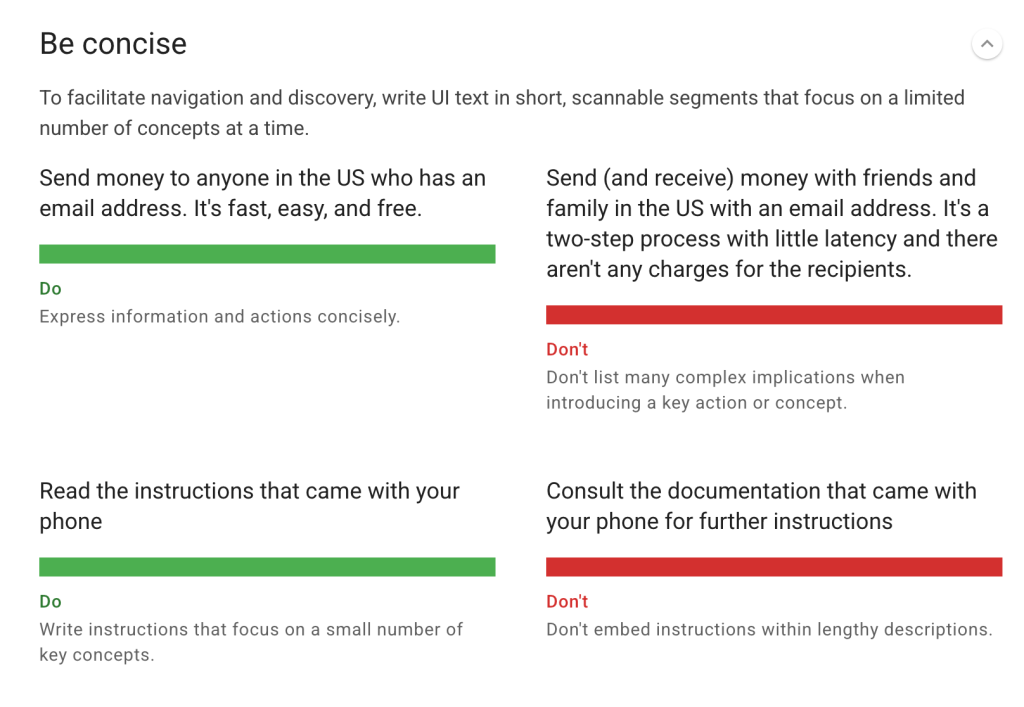
Google’s Material Design guidelines, released in 2014, were among the first to formalize writing principles for digital interfaces. They introduced concepts like “conversation, not description” and emphasized the importance of tone and voice in user interface design. This marked a turning point where content moved from being an afterthought to being integral to the design process.
The discipline gained significant momentum around 2016-2017 when major tech companies began establishing dedicated UX writing teams. Airbnb’s creation of a centralized writing team, and their subsequent open-sourcing of writing guidelines, helped legitimize the field and provided frameworks that smaller companies could adopt.
Core Principles of Effective UX 라이팅 (UX Writing)
Modern UX writing operates on several fundamental principles that distinguish it from other forms of writing:
Clarity Over Cleverness: The primary goal is understanding, not entertainment. Users should never have to decode what an interface is asking them to do. This means choosing familiar words over jargon, active voice over passive, and direct statements over ambiguous ones.

Context Awareness: Effective UX writing considers where users are in their journey, what they’re trying to accomplish, and what emotional state they might be in. An error message during checkout requires different treatment than a celebration message after task completion.
Conversation Design: Modern interfaces increasingly feel like conversations rather than forms or commands. This shift requires writers to think about dialogue flow, turn-taking, and maintaining consistent personality throughout interactions.
Accessibility First: UX writing must work for all users, including those using screen readers, those with cognitive differences, and those who may not be native speakers of the interface language. This means writing clearly, providing helpful context, and avoiding idioms or cultural references that might not translate.
The Current Career Landscape
The UX writing job market has exploded over the past five years. According to industry reports, UX writing roles have grown by over 400% since 2019, with companies ranging from startups to Fortune 500 enterprises actively hiring. The demand significantly outpaces supply, creating excellent opportunities for career changers and specialists alike.
Entry Points: Many UX writers come from diverse backgrounds including journalism, marketing, technical writing, and traditional UX design. The key skills that transfer well include research abilities, empathy for users, and understanding of how language affects behavior.
Career Progression: Senior UX writers often progress to lead writing teams, become content design managers, or specialize in areas like conversation design for voice interfaces or chatbots. Some transition into broader product roles, leveraging their user advocacy skills.
Salary Expectations: UX writing roles command competitive salaries, typically ranging from $70,000-$120,000 for mid-level positions in major markets, with senior roles reaching $150,000+ plus equity at tech companies.
Essential Skills and Tools
Successful UX writers combine writing craft with UX methodology:
Research Skills: Understanding users through interviews, surveys, and usability testing is crucial. UX writers need to validate that their words actually help users complete tasks effectively.
Collaboration: UX writers work closely with designers, product managers, engineers, and researchers. The ability to advocate for users while building consensus across teams is essential.
Systems Thinking: Modern products require consistent voice and tone across hundreds of touchpoints. UX writers must think systematically about content architecture and scalable writing systems.
Technical Understanding: While UX writers don’t need to code, understanding technical constraints helps create realistic solutions. Knowing character limits, internationalization challenges, and implementation timelines is valuable.
Popular tools include Figma for design collaboration, Notion or Confluence for documentation, and specialized platforms like Writer or Frontify for managing style guides and content systems.
The AI Revolution in UX 라이팅 (UX Writing)
Artificial intelligence is fundamentally changing UX writing, creating both opportunities and challenges. AI tools like GPT-4, Claude, and specialized writing assistants can now generate interface copy, suggest improvements, and even conduct basic content audits.
AI as Enhancement: The most successful UX writers are using AI as a collaborative tool rather than a replacement. AI excels at generating multiple variations quickly, helping with translation and localization, and identifying inconsistencies across large content systems.
New Skill Requirements: AI proficiency is becoming essential. This includes understanding how to prompt AI effectively, how to evaluate AI-generated content, and knowing when human judgment is irreplaceable.
Emerging Roles: New positions are emerging, such as “Conversation Design Lead” for AI chatbots and “Content Operations Manager” for AI-human content workflows. These roles combine traditional UX writing skills with AI strategy and implementation.
Quality Assurance: As AI generates more interface copy, human writers increasingly focus on strategy, quality control, and ensuring that AI-generated content maintains appropriate tone and cultural sensitivity.
Challenges and Opportunities Ahead
The field faces several key challenges that also represent opportunities for skilled practitioners:
Personalization at Scale: Users increasingly expect personalized experiences, but creating personalized content that feels authentic rather than algorithmic remains challenging. Advanced content management systems and AI assistance are making this more achievable.
Voice and Conversational Interfaces: As voice assistants and chatbots become more sophisticated, UX writers must expand beyond visual interfaces to design conversations that feel natural and helpful.
Global Products: Building products that work across cultures and languages requires sophisticated content strategies. UX writers who understand internationalization and cultural adaptation are increasingly valuable.
Ethical Considerations: As interfaces become more persuasive, UX writers grapple with questions about manipulation versus helpfulness. The industry is developing ethical frameworks for respectful, transparent communication.
Getting Started in UX 라이팅 (UX Writing)
For UX professionals interested in developing writing skills or transitioning into UX writing roles:
Build a Portfolio: Start by auditing existing products and rewriting their interfaces. Document your process, explain your decisions, and show measurable improvements where possible.
Learn the Process: UX writing isn’t just about better words, it’s about research, testing, and iteration. Understanding user research methods and basic analytics is crucial.
Practice Systems Thinking: Work on projects that require consistent voice across multiple touchpoints. This demonstrates the strategic thinking that separates UX writing from simple copywriting.
Stay Current: Follow industry leaders like Sarah Richards, Torrey Podmajersky, and John Saito. Join communities like the UX Writing Hub and attend conferences focused on content design.
The Future of UX 라이팅 (UX Writing)
As we move further into 2025, UX writing continues evolving rapidly. The integration of AI tools is accelerating content creation while raising the bar for strategic thinking. Voice interfaces are creating new challenges around conversation design. And the growing recognition that inclusive language directly impacts business outcomes is elevating the discipline’s importance.
The most successful UX writers of the next decade will combine deep empathy for users with technical fluency and strategic business thinking. They’ll be comfortable working with AI while maintaining the human insight that makes digital experiences truly helpful and delightful.
For UX professionals, understanding UX writing principles, even if it’s not your primary role, has become essential. In an increasingly crowded digital landscape, the products that succeed are those that communicate clearly, build trust through transparent language, and guide users to success with every word.
The field of UX writing represents one of the most exciting intersections of technology, psychology, and craft in modern product development. As digital interfaces become more conversational and AI-assisted, the humans who can bridge the gap between user needs and technological capability will remain irreplaceable.