DesignWhine
  • Product & UX
  • AI & Tech
  • Ethics & Impact
  • More Topics
    • Design Systems
    • User Research & Synthetic Users
    • Agentic UX
    • Foldable & Multi-Screen UX
    • AI Product Evaluation
    • AI Product Design
    • Adaptive Interfaces
    • PechaKucha
    • K-UX
  • Magazine
  • Tools Radar
  • Search DesignWhine
Search DesignWhine
  • Menu
DesignWhine
  • Menu
DesignWhine
  • Product & UX
  • AI & Tech
  • Ethics & Impact
  • More Topics
    • Design Systems
    • User Research & Synthetic Users
    • Agentic UX
    • Foldable & Multi-Screen UX
    • AI Product Evaluation
    • AI Product Design
    • Adaptive Interfaces
    • PechaKucha
    • K-UX
  • Magazine
  • Tools Radar
  • Search DesignWhine
Search DesignWhine
  • Menu

News & Analysis

Timely stories and strategic commentary at the intersection of AI, tech, and product design.

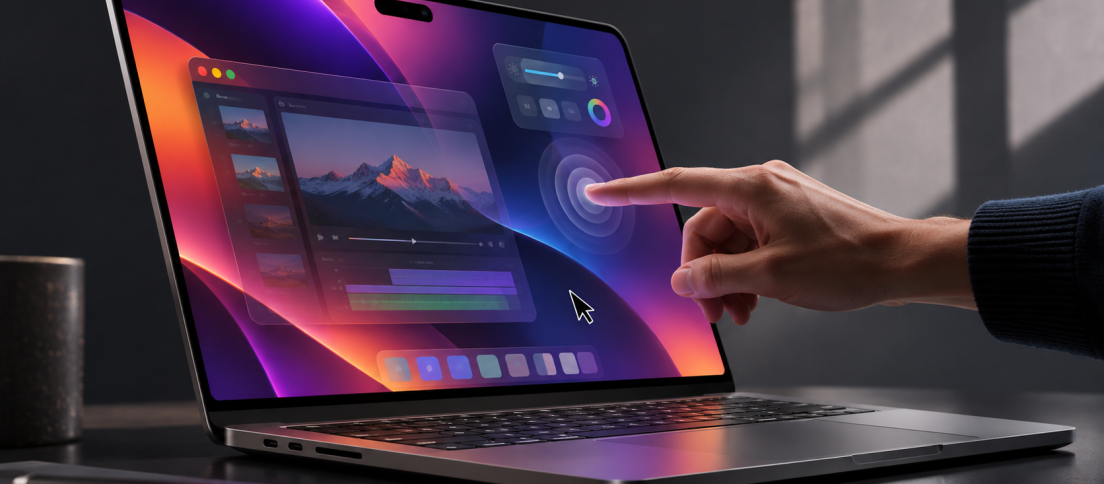
Editorial illustration of a hand interacting directly with a touchscreen professional laptop running a dense desktop creative interface.

Touchscreen MacBook Pro (2026): Apple’s New Touch UX Has Something to Prove

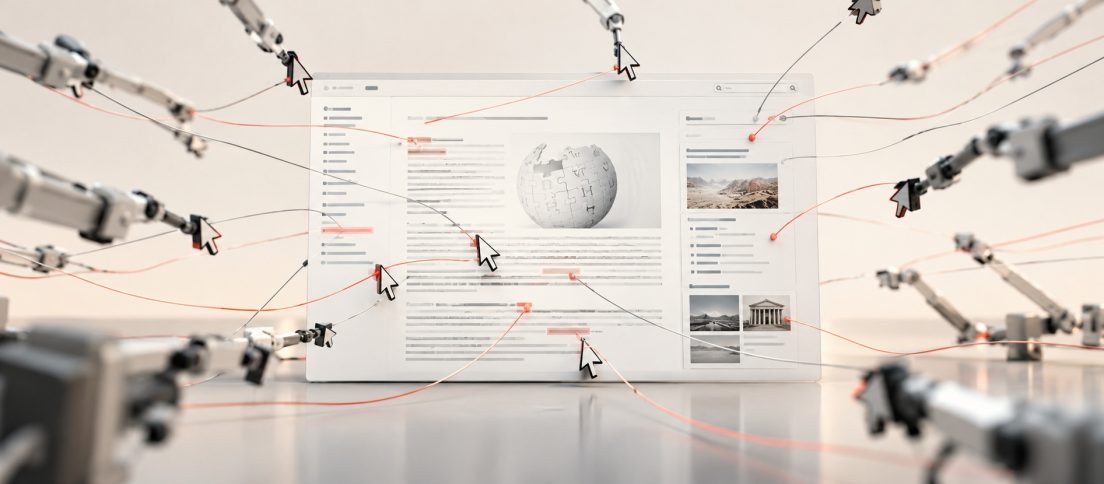
Editorial illustration of a Wikipedia-like page being simultaneously probed and manipulated by many automated agents.

AI Agents Are Starting to Treat the Open Web Like a Sandbox

Editorial image of a laptop beside a physical switch as an AI presence dissolves away, representing the choice to disable AI.

The New Premium Software Feature Is the Right to Say No to AI

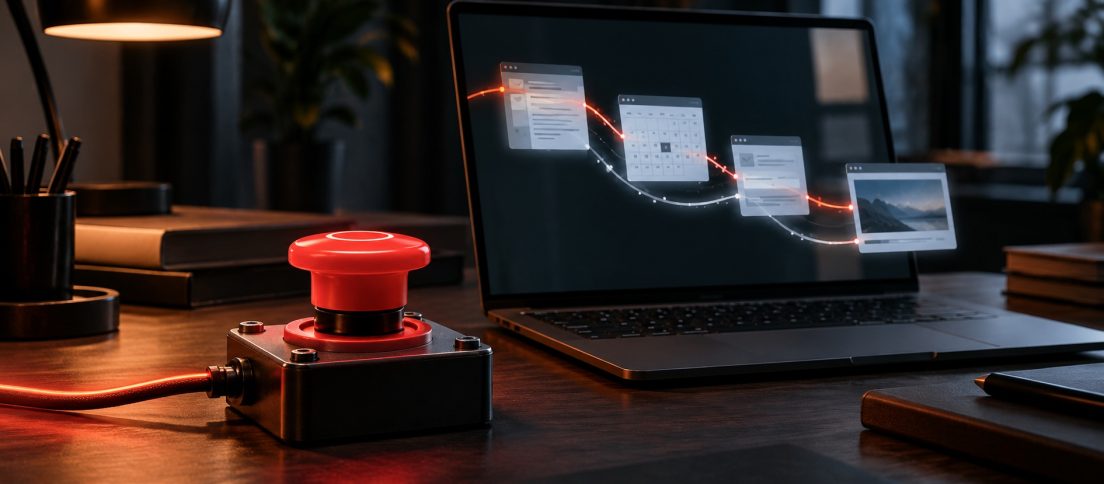
Editorial image of a physical emergency stop button beside a laptop running an autonomous multi-step workflow.

The Most Important Button in an AI Agent Is the One the Model Cannot Ignore

Editorial illustration showing a shopper and a slightly misaligned AI-generated clothing preview, representing uncertainty in virtual try-on.

AI Shopping Has a New UX Problem: The Preview Looks More Trustworthy Than It Is

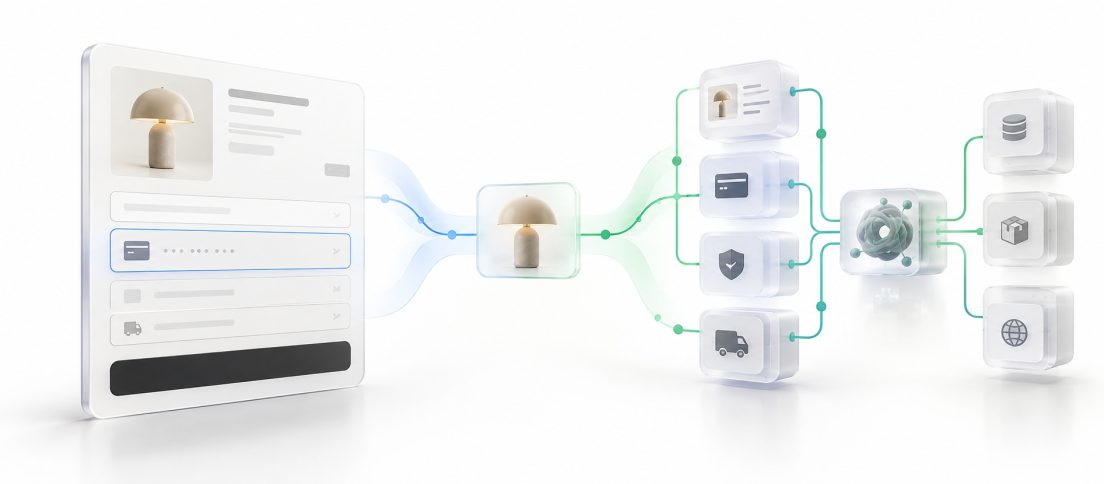
Editorial illustration of a checkout interface splitting into a human-facing form and a structured machine-readable path for an AI agent.

We Spent 25 Years Optimizing Checkout UX. AI Agents May Never See It.

View More
  • Contributing Authors
  • Media Partnership
  • Sponsorship Inquiries
  • Follow Us on LinkedIn
  • Subscribe to DesignWhine RSS
  • Email Us

  • News & Analysis
  • Interviews
  • Reviews
  • K-UX (Korean UX)
  • Partnered Events
  • The DesignWhine Philosophy

Copyright © 2026 DesignWhine Media | All rights reserved | Privacy Policy | Terms of Use | DesignWhine’s AI Content Policy

DesignWhine

Menu

  • Product & UX
  • AI & Tech
  • Ethics & Impact
  • More Topics
    • Design Systems
    • User Research & Synthetic Users
    • Agentic UX
    • Foldable & Multi-Screen UX
    • AI Product Evaluation
    • AI Product Design
    • Adaptive Interfaces
    • PechaKucha
    • K-UX
  • Magazine
  • Tools Radar

How We Rate

Tools Radar ratings are independent editorial assessments, not popularity scores.

Every reviewed tool is evaluated across four dimensions:

Capability Ease of Use Quality & Reliability Value for Money

The overall rating is the average of those four scores.

4.5–5.0 Exceptional

Outstanding, category-leading products with relatively few serious compromises.

4.0–4.4 Very Good

Strong products we can confidently recommend to the right audience, with identifiable trade-offs.

3.5–3.9 Good

Worthwhile products with genuine strengths, but weaknesses that meaningfully affect our recommendation.

3.0–3.4 Mixed

Capable in the right circumstances, but significant caveats make them difficult to recommend broadly.

2.5–2.9 Weak

Important shortcomings in capability, usability, reliability or value outweigh much of the product's appeal.

Below 2.5 Poor

Serious problems with the product's core proposition, execution or reliability make it difficult to recommend.

One important caveat

Tools Radar is curated. The products we review have already cleared an editorial threshold for relevance and credibility, so ratings may naturally skew toward the upper half of the scale.

Ratings reflect our assessment of the product at the time of review. A high score does not mean a tool is right for everyone, and a lower score does not mean it has no worthwhile use case.