DesignWhine
  • Product & UX
  • AI & Tech
  • Ethics & Impact
  • The Magazine
  • Tools Radar
  • Search DesignWhine
Search DesignWhine
  • Menu
DesignWhine
  • Menu
DesignWhine
  • Product & UX
  • AI & Tech
  • Ethics & Impact
  • The Magazine
  • Tools Radar
  • Search DesignWhine
Search DesignWhine
  • Menu

News & Analysis

Timely stories and strategic commentary at the intersection of AI, tech, and product design.

Editorial illustration showing two coworkers using a conversational workspace connected to a network of AI agents and workflow interfaces.

Meta Is Switching to Slack for AI Agents. The Workplace Interface Is Changing

Editorial illustration of a person holding a smartphone while adaptive interface cues respond to movement and identify objects in the surrounding environment.

Android’s New Accessibility Tools Make the Interface Respond to Your Body and Surroundings

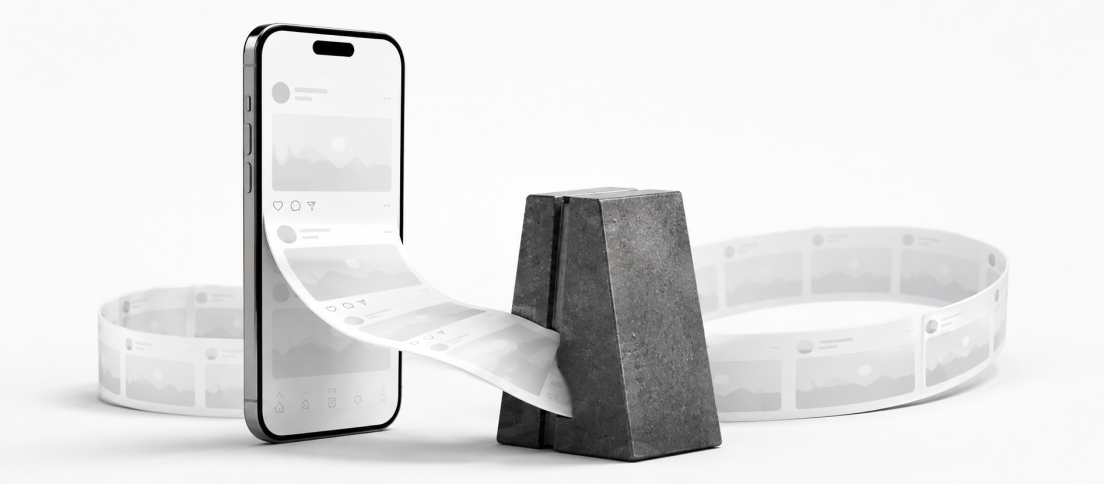
Editorial illustration of an endless social-media feed flowing from a smartphone and being interrupted by a heavy stone block, representing legal and financial consequences for addictive UX.

Meta’s $18 Billion Settlement Puts Addictive UX on Trial

Editorial illustration showing one realistic human being verified among several pale AI-generated profile identities, representing the challenge of distinguishing real people from synthetic personas online.

The Next Interface Problem Is Proving You’re Human

Google's return to in-person job interviews signals the end of virtual hiring's golden age.

Google In-Person Job Interviews: Big Tech’s Retreat from Its Own Revolution

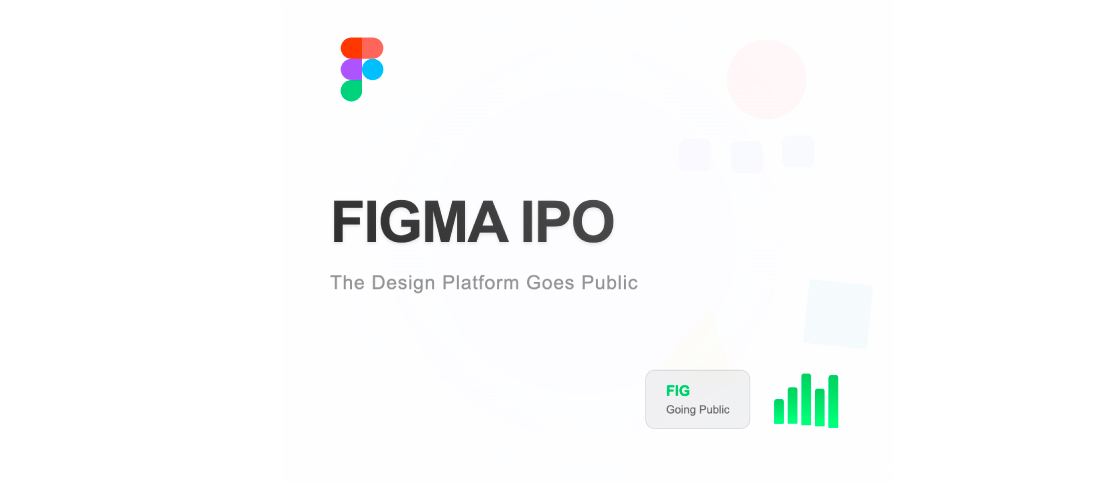
Figma IPO Billionaires

Figma IPO Billionaires: Dylan Field and Top Winners From Figma 2025 IPO

View More
  • Contributing Authors
  • Media Partnership
  • Sponsorship Inquiries
  • Follow Us on LinkedIn
  • Subscribe to DesignWhine RSS
  • Email Us

  • News & Analysis
  • Interviews
  • Reviews
  • K-UX (Korean UX)
  • Partnered Events
  • The DesignWhine Philosophy

Copyright © 2026 DesignWhine Media | All rights reserved | Privacy Policy | Terms of Use | DesignWhine’s AI Content Policy

DesignWhine

Menu

  • Product & UX
  • AI & Tech
  • Ethics & Impact
  • The Magazine
  • Tools Radar

How We Rate

Tools Radar ratings are independent editorial assessments, not popularity scores.

Every reviewed tool is evaluated across four dimensions:

Capability Ease of Use Quality & Reliability Value for Money

The overall rating is the average of those four scores.

4.5–5.0 Exceptional

Outstanding, category-leading products with relatively few serious compromises.

4.0–4.4 Very Good

Strong products we can confidently recommend to the right audience, with identifiable trade-offs.

3.5–3.9 Good

Worthwhile products with genuine strengths, but weaknesses that meaningfully affect our recommendation.

3.0–3.4 Mixed

Capable in the right circumstances, but significant caveats make them difficult to recommend broadly.

2.5–2.9 Weak

Important shortcomings in capability, usability, reliability or value outweigh much of the product's appeal.

Below 2.5 Poor

Serious problems with the product's core proposition, execution or reliability make it difficult to recommend.

One important caveat

Tools Radar is curated. The products we review have already cleared an editorial threshold for relevance and credibility, so ratings may naturally skew toward the upper half of the scale.

Ratings reflect our assessment of the product at the time of review. A high score does not mean a tool is right for everyone, and a lower score does not mean it has no worthwhile use case.