
- Introduction to UX Research Hiring in Korea
- The Current State of UX Researcher 채용 Market
- Essential Skills and Qualifications Korean Companies Seek
- Salary Expectations and Compensation Packages
- Top Companies Hiring UX Researchers in Korea
- Effective Recruitment Strategies for UX Research Roles
- Interview Process and Assessment Methods
- Cultural Considerations in Korean UX Research Teams
- Building a Strong UX Research Team Culture
- Future Trends in UX Researcher 채용
- Practical Tips for Both Recruiters and Candidates
- Conclusion
Introduction to UX Research Hiring in Korea
The South Korean digital landscape has experienced unprecedented growth over the past decade, with companies like Samsung, LG, Naver, and Kakao leading the charge in innovation. This surge has created an intense demand for skilled UX researchers (UX 리서처), making UX researcher 채용 one of the most competitive areas in the Korean tech job market.
As Korean companies increasingly recognize the value of user-centered design, the role of UX researchers has evolved from a nice-to-have position to a critical business function. Whether you’re a hiring manager at a chaebol (재벌) company, a startup founder in Gangnam (강남), or a UX professional looking to break into the Korean market, understanding the nuances of UX researcher 채용 is essential for success.
The Korean UX research market presents unique challenges and opportunities. Unlike Western markets, Korean companies often blend traditional hierarchical structures with modern agile methodologies, creating a distinctive environment for UX research teams. This cultural intersection significantly impacts how companies approach UX researcher 채용 and what candidates should expect.
The Current State of UX Researcher 채용 Market
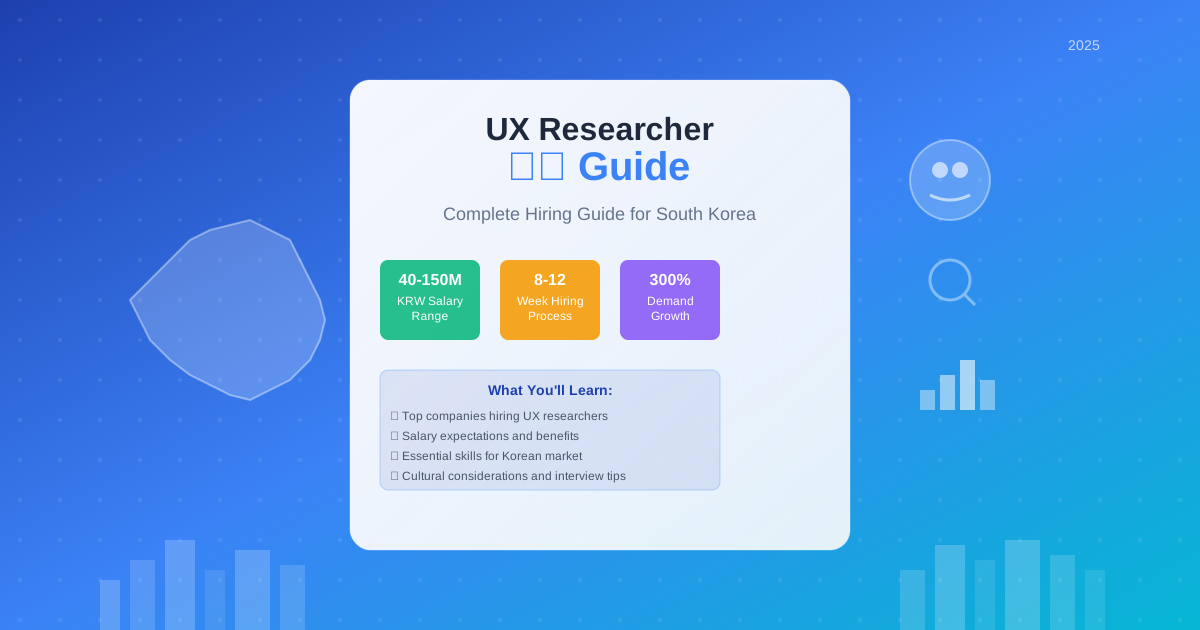
The UX research job market in South Korea has reached a tipping point. According to recent industry reports, demand for UX researchers has increased by over 300% in the past three years, while the supply of qualified candidates has grown by only 120%. This supply-demand imbalance has created a highly competitive environment where top-tier UX researchers can command premium salaries and benefits.
Seoul (서울) remains the epicenter of UX researcher 채용 activity, with approximately 70% of all UX research positions concentrated in the capital city. The Gangnam and Bundang (분당) districts house many of the major tech companies actively recruiting UX researchers, while the emerging startup ecosystem in Hongdae (홍대) and Itaewon (이태원) areas offers alternative opportunities for those seeking more dynamic, fast-paced environments.
The market has also seen a shift in the types of companies hiring UX researchers. While traditional tech giants continue to dominate the hiring landscape, we’re seeing increased demand from:
- Financial technology companies (핀테크) focusing on digital banking and payment solutions
- E-commerce platforms expanding their user experience capabilities
- Gaming companies seeking to optimize player experiences
- Government agencies (정부기관) modernizing their digital services
- Healthcare technology startups developing patient-centered solutions
The average time-to-hire for UX researcher positions has extended to 8-12 weeks, reflecting the thorough vetting process Korean companies employ. This extended timeline often includes multiple rounds of interviews, portfolio reviews, practical assignments, and cultural fit assessments.
Essential Skills and Qualifications Korean Companies Seek
Korean companies have developed specific criteria for UX researcher 채용 that reflect both global best practices and local market needs. The most sought-after qualifications include:
Technical Competencies: Modern Korean companies expect UX researchers to be proficient in both quantitative and qualitative research methodologies. Statistical analysis skills are particularly valued, with proficiency in tools like SPSS, R, or Python being advantageous. Many companies also require experience with Korean-specific research tools and platforms that cater to local user behaviors and preferences.
User interview skills are paramount, especially the ability to conduct interviews in Korean while potentially presenting findings to international stakeholders in English. This bilingual capability is often a make-or-break factor in the hiring process.
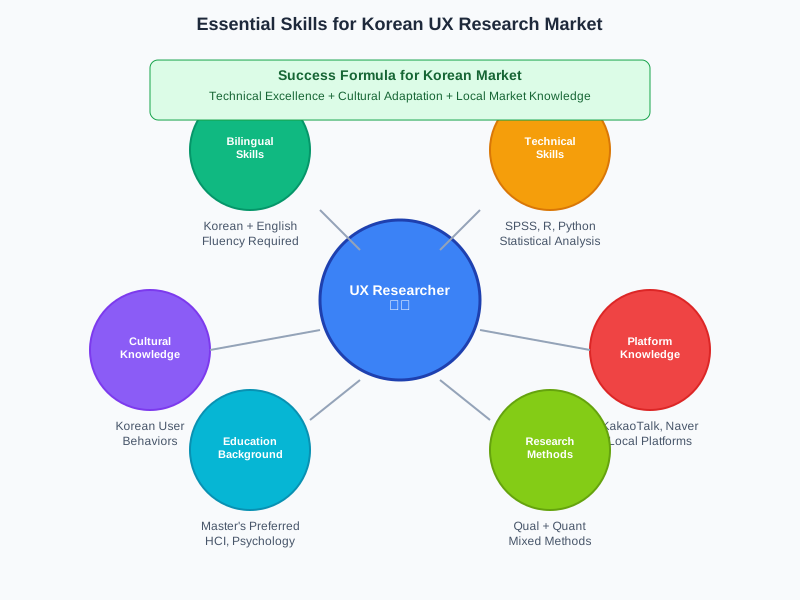
Industry Knowledge: Understanding the Korean digital ecosystem is crucial. This includes familiarity with dominant platforms like KakaoTalk, Naver, and Korean-specific user interface conventions. Companies often test candidates’ knowledge of local user behavior patterns, mobile-first design principles (given Korea’s high smartphone penetration rate), and cultural factors that influence user experience decisions.
Educational Background: While not always mandatory, Korean companies show strong preference for candidates with advanced degrees. Many successful UX researchers in Korea hold Master’s degrees in HCI, Psychology, Statistics, or related fields from prestigious Korean universities like Seoul National University (서울대학교), KAIST, or Yonsei University (연세대학교). International degrees are also highly valued, particularly from institutions known for their UX/HCI programs.
Language Requirements: Fluency in Korean is essential for most UX researcher 채용 opportunities, though the level required varies by company. International companies operating in Korea may accept candidates with intermediate Korean skills, while domestic companies typically require near-native proficiency. English proficiency is increasingly important as Korean companies expand globally.
Salary Expectations and Compensation Packages
The compensation landscape for UX researchers in Korea reflects the high demand and relatively low supply of qualified candidates. Entry-level UX researchers (신입) can expect starting salaries ranging from 40-55 million KRW annually, while experienced researchers (경력직) with 3-5 years of experience command salaries between 60-85 million KRW.
Senior UX researchers and research leads can earn 90-130 million KRW annually, with some exceptional candidates at top-tier companies reaching 150+ million KRW. These figures represent base salaries and don’t include the comprehensive benefits packages that Korean companies typically offer.
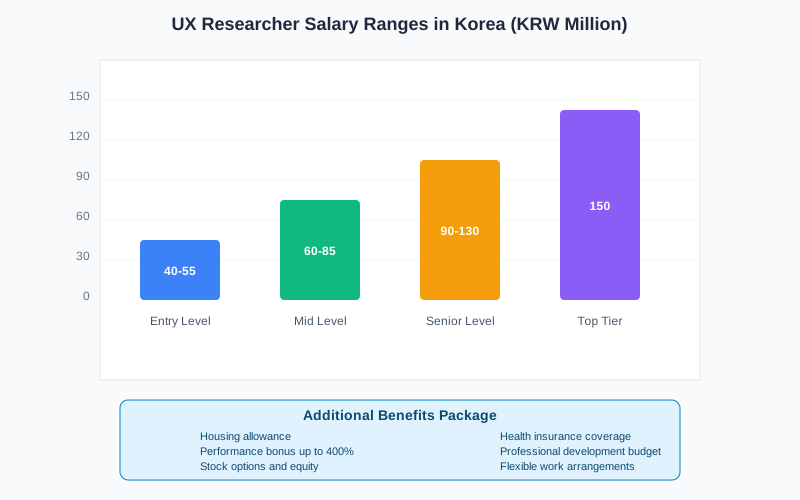
Typical Benefit Packages Include:
- Housing allowances (주거수당) or company-provided housing
- Meal allowances and company cafeteria access
- Transportation subsidies
- Health insurance coverage beyond the national system
- Performance bonuses equivalent to 200-400% of monthly salary
- Stock options or equity participation (especially at startups)
- Professional development budgets for conferences and training
- Flexible working arrangements (though less common than in Western companies)
The compensation gap between Korean companies and international companies operating in Korea can be significant. Global tech companies often offer 20-40% higher base salaries plus more generous equity packages, but they also typically have more stringent hiring requirements.
Top Companies Hiring UX Researchers in Korea
The Korean UX researcher 채용 market is dominated by several key players, each offering unique opportunities and challenges:
Technology Conglomerates: Samsung continues to be the largest employer of UX researchers in Korea, with research positions across their mobile, consumer electronics, and enterprise divisions. LG has also significantly expanded their UX research capabilities, particularly in their automotive and smart home product lines.
Internet and Platform Companies: Naver operates one of the largest UX research teams in Korea, focusing on search, commerce, and content platforms. Kakao has built substantial research capabilities across their messaging, mobility, and financial services divisions. Both companies are known for their data-driven approach to UX research and offer excellent career progression opportunities.
Gaming Industry: Companies like NCsoft, Nexon, and Netmarble have invested heavily in UX research to optimize player experiences and retention. The gaming industry often offers competitive compensation packages and the opportunity to work on innovative research methodologies specific to gaming experiences.
Emerging Sectors: Financial technology companies like Toss and fintech startups are actively building UX research capabilities. E-commerce platforms including Coupang and 11st have expanded their research teams significantly. The automotive industry, led by Hyundai and Kia’s digital transformation initiatives, represents a growing opportunity for UX researchers interested in connected vehicle experiences.
International Companies: Global tech companies with significant Korean operations, including Google Korea, Microsoft Korea, and various Silicon Valley companies with Seoul offices, often provide attractive opportunities for UX researchers seeking international exposure while remaining in Korea.
Effective Recruitment Strategies for UX Research Roles
Successful UX researcher 채용 in Korea requires a multi-faceted approach that addresses both the competitive market conditions and cultural expectations of potential candidates.
Building a Strong Employer Brand: Korean UX professionals are highly influenced by company reputation and growth prospects. Companies should invest in showcasing their UX research work through case studies, conference presentations, and thought leadership content. Participating in Korean UX community events and maintaining an active presence on professional platforms helps build credibility.
Leveraging Professional Networks: The Korean UX community is relatively tight-knit, making referrals and professional networks crucial for successful hiring. Building relationships with UX professionals through industry meetups, conferences like UX Korea, and online communities can provide access to passive candidates who aren’t actively job searching.
Competitive Compensation Strategies: Given the supply-demand imbalance, companies must be prepared to offer competitive packages that go beyond base salary. This includes signing bonuses, accelerated promotion tracks, and comprehensive professional development opportunities. Transparency about compensation ranges early in the process helps attract serious candidates.
Portfolio-Based Assessment: Korean companies should implement thorough portfolio review processes that evaluate both research methodology and cultural fit. This includes assessing candidates’ ability to work within Korean business contexts and their understanding of local user behaviors.
Interview Process and Assessment Methods
The UX researcher 채용 interview process in Korean companies typically involves multiple stages designed to assess both technical competencies and cultural fit.
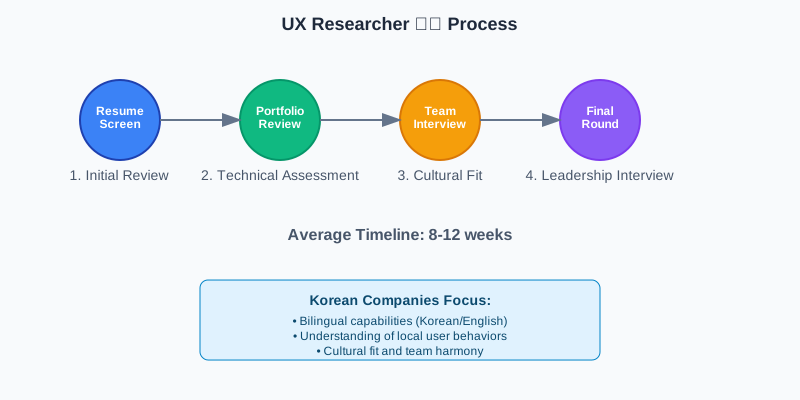
Initial Screening: Most companies begin with a resume and portfolio review, followed by a phone or video screening interview. This stage often includes basic questions about research methodologies and specific experience with Korean users or markets.
Technical Assessment: Candidates are usually required to complete a practical research exercise, which might involve analyzing provided data, designing a research study, or presenting research findings. Some companies provide real business challenges and ask candidates to propose research approaches.
Presentation Round: A formal presentation of portfolio work or the technical assessment is standard. Candidates should prepare to discuss their research methodology, findings, and business impact in detail. The ability to present in Korean while handling technical questions in English is often evaluated.
Cultural Fit Interview: Korean companies place significant emphasis on team harmony and cultural alignment. This interview typically involves meeting with potential team members and assessing how well candidates would integrate into the existing team structure.
Final Interview: Senior leadership interviews focus on long-term career goals, leadership potential, and strategic thinking abilities. Candidates should be prepared to discuss how their research skills can contribute to broader business objectives.
Cultural Considerations in Korean UX Research Teams
Working as a UX researcher in Korea requires understanding and adapting to specific cultural norms that influence team dynamics and work processes.
Hierarchy and Communication: Korean business culture maintains strong hierarchical structures, even in modern tech companies. UX researchers must navigate presenting research findings that might challenge senior stakeholders’ assumptions while maintaining appropriate respect for organizational hierarchy. This requires developing skills in diplomatic communication and building consensus gradually.
Relationship Building (인간관계): Success in Korean UX research teams often depends on building strong personal relationships with colleagues. This extends beyond professional interactions to include after-work socializing and team building activities. Understanding these relationship dynamics is crucial for career advancement.
Decision-Making Processes: Korean companies often employ consensus-building approaches to decision-making, which can be lengthy but result in strong team alignment. UX researchers should be prepared for extended discussion periods and the need to present research findings multiple times to different stakeholder groups.
Work-Life Integration: While work-life balance is improving in Korean companies, the concept differs from Western norms. UX researchers should expect longer work hours during project crises and understand that dedication demonstration through presence is still valued in many organizations.
Building a Strong UX Research Team Culture
Creating an effective UX research team culture in Korea requires balancing international best practices with local cultural expectations.
Knowledge Sharing Practices: Successful Korean UX research teams establish regular knowledge sharing sessions that combine formal presentations with informal discussions. This helps build team cohesion while ensuring research insights are effectively communicated across the organization.
Mentorship Programs: Given the relatively new nature of UX research in Korea, establishing mentorship programs helps develop junior researchers while building strong team bonds. Senior researchers should be prepared to take active mentoring roles.
Cross-Functional Collaboration: UX research teams must work closely with product managers, designers, and engineers. Building these relationships requires understanding different professional cultures within Korean tech companies and adapting communication styles accordingly.
Continuous Learning Culture: The rapidly evolving nature of UX research requires teams to stay current with international trends while adapting them to Korean contexts. This includes attending international conferences, participating in online communities, and experimenting with new research methodologies.
Future Trends in UX Researcher 채용
The Korean UX research hiring landscape continues to evolve, driven by technological advancement and changing business needs.
Specialization Trends: We’re seeing increased demand for specialized UX researchers focusing on specific domains like voice interfaces, AR/VR experiences, and AI-powered products. Companies are willing to pay premium salaries for deep domain expertise combined with strong research fundamentals.
Remote Work Adoption: While slower than in Western countries, Korean companies are gradually adopting flexible work arrangements. This trend is creating opportunities for international candidates and Korean professionals living abroad to participate in the local job market.
Data Science Integration: The boundary between UX research and data science continues to blur, with companies seeking researchers who can work effectively with large datasets and employ machine learning techniques in their research practice.
Global Expansion Focus: As Korean companies expand internationally, there’s growing demand for UX researchers who can conduct research in multiple markets and cultural contexts while maintaining deep understanding of Korean users.
Practical Tips for Both Recruiters and Candidates
For Recruiters:
- Invest time in understanding candidate motivations beyond compensation
- Provide clear career progression paths and learning opportunities
- Be transparent about company culture and expectations during the interview process
- Build relationships with UX education programs at Korean universities
- Consider offering internship programs to develop talent pipeline
For Candidates:
- Develop a portfolio that demonstrates understanding of Korean user behaviors
- Practice presenting research findings in both Korean and English
- Build connections within the Korean UX community before job searching
- Understand the specific business context of target companies
- Prepare for extended interview processes and be patient with decision timelines
- Consider starting with contract or project-based work to build local experience
For International Candidates:
- Invest in Korean language skills before applying
- Research Korean business etiquette and communication norms
- Understand visa requirements and work authorization processes
- Consider cultural adaptation challenges and support systems needed
Conclusion
The UX researcher 채용 landscape in South Korea represents both tremendous opportunities and significant challenges. As Korean companies continue to recognize the strategic value of user research, demand for skilled professionals will only intensify. Success in this market requires not only strong research capabilities but also cultural adaptability and strategic thinking about career development.
For recruiters, the key to successful UX researcher 채용 lies in understanding that top candidates have multiple options and are looking for roles that offer both professional growth and cultural fit. Building strong employer brands, offering competitive packages, and maintaining transparent communication throughout the hiring process are essential.
For candidates, breaking into the Korean UX research market requires preparation, patience, and persistence. The investment in language skills, cultural understanding, and local network building pays significant dividends in career opportunities and professional growth.
The future of UX research in Korea looks bright, with increasing recognition of its business value and growing investment in research capabilities across industries. Those who position themselves effectively in this market will find rewarding careers at the intersection of technology, user advocacy, and business strategy.
As the Korean digital economy continues to mature and expand globally, UX researchers will play an increasingly critical role in shaping products and services that delight users both domestically and internationally. The time to invest in UX researcher 채용 – whether as a hiring company or job-seeking professional – is now.