DesignWhine
  • Product & UX
  • AI & Tech
  • Ethics & Impact
  • The Magazine
  • Tools Radar
  • Search DesignWhine
Search DesignWhine
  • Menu
DesignWhine
  • Menu
DesignWhine
  • Product & UX
  • AI & Tech
  • Ethics & Impact
  • The Magazine
  • Tools Radar
  • Search DesignWhine
Search DesignWhine
  • Menu
retro

DesignWhine Editorial Team

DesignWhine is a digital publication at the intersection of AI, product, UX, and technology — read by over 9,000 mid-to-senior professionals shaping the future of design and tech.

Zhengyang Yang seated by a large window in a calm interior for his DesignWhine interview on the end-to-end AI product designer.

The Distance Between Idea and Evidence: Zhengyang Yang on the End-to-End AI Product Designer

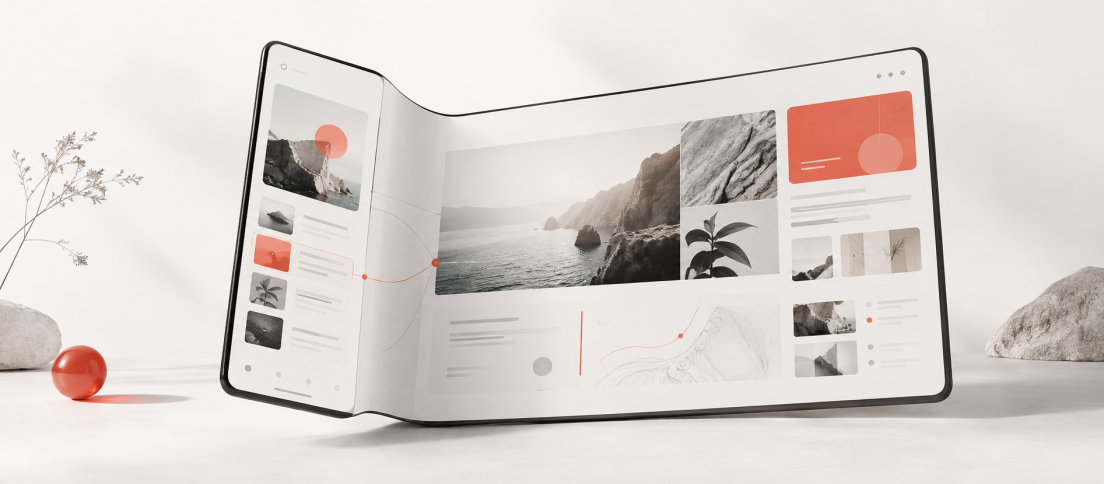
Editorial illustration showing interface context expanding across a folded surface into a wider workspace.

Foldable UX Design: How to Design Responsive Interfaces for Foldable Phones

Editorial illustration of a UX designer at a crossroads as familiar design artifacts recede and multiple career paths open beyond the workspace.

Leaving UX Design in 2026: Why Designers Want Out and Where They’re Going Next

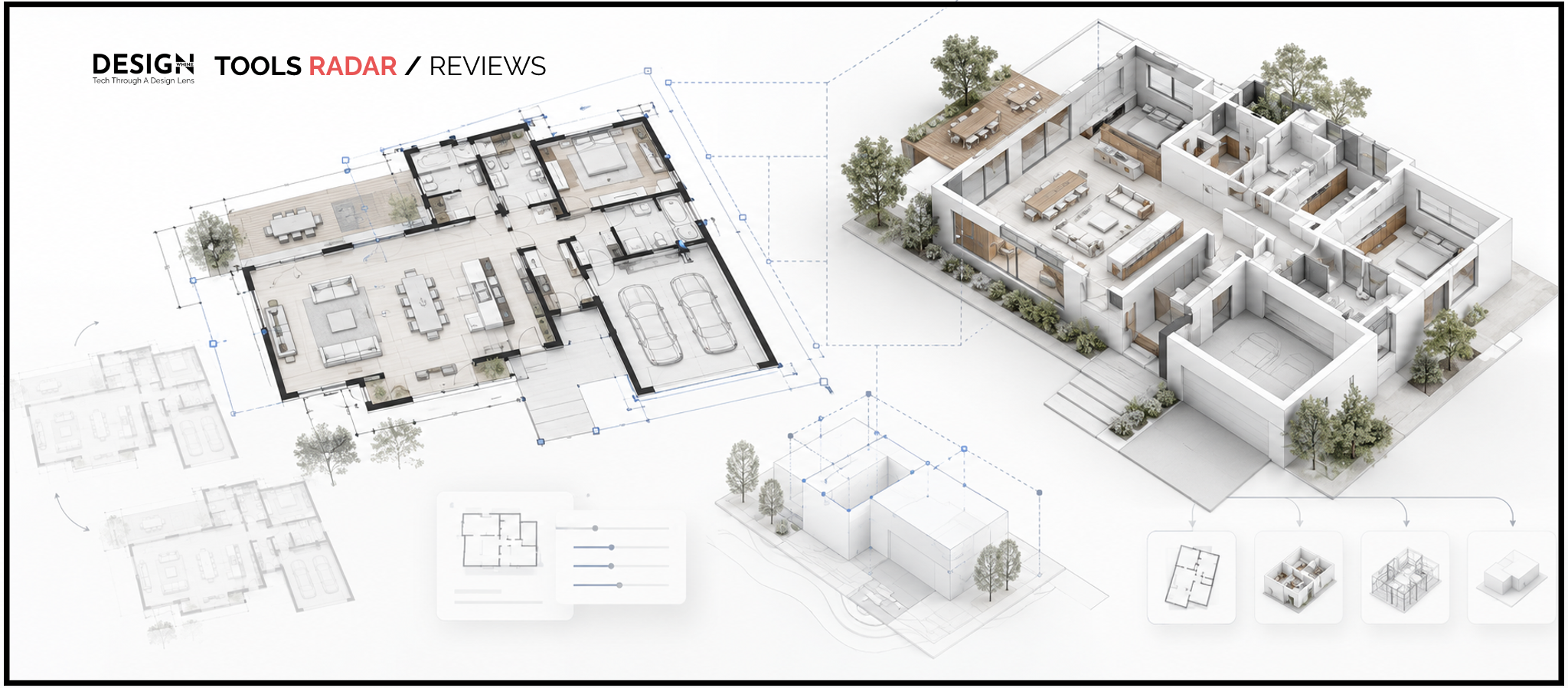
Editorial illustration of an architectural floor plan transforming into a clean 3D house model with subtle CAD editing controls.

Drafted AI Review: Floor Plans Without the Blank Canvas

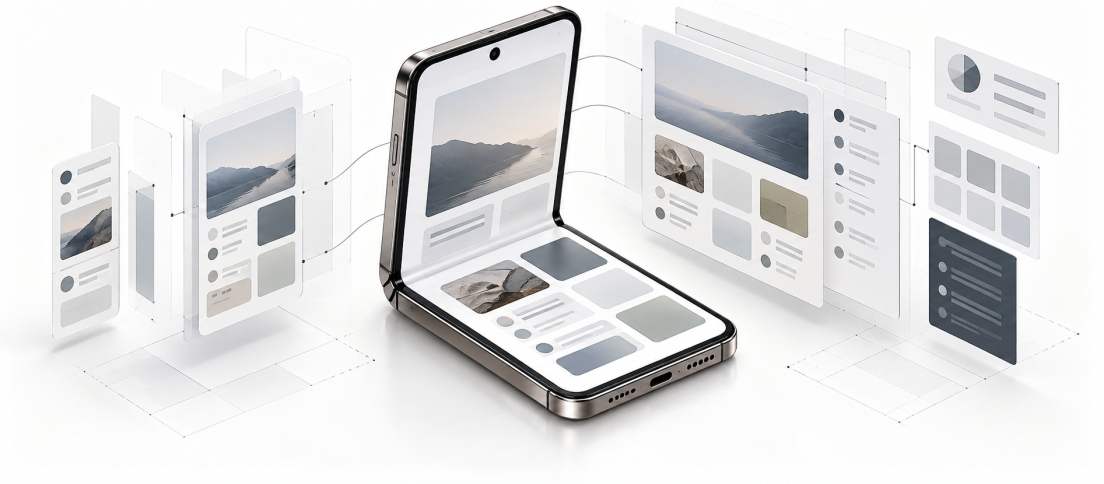
Editorial illustration of a foldable phone changing state while interface components and design-system modules reorganize around it.

The iPhone Duo Is About to Break Your Responsive Design System

Editorial illustration using the ChatGPT logo between two contrasting A/B test paths, showing how the higher-performing conversational variant can still represent the wrong UX outcome.

ChatGPT Sycophancy Shows the Limits of A/B Testing for AI UX

View More
  • Contributing Authors
  • Media Partnership
  • Sponsorship Inquiries
  • Follow Us on LinkedIn
  • Subscribe to DesignWhine RSS
  • Email Us

  • News & Analysis
  • Interviews
  • Reviews
  • K-UX (Korean UX)
  • Partnered Events
  • The DesignWhine Philosophy

Copyright © 2026 DesignWhine Media | All rights reserved | Privacy Policy | Terms of Use | DesignWhine’s AI Content Policy

DesignWhine

Menu

  • Product & UX
  • AI & Tech
  • Ethics & Impact
  • The Magazine
  • Tools Radar

How We Rate

Tools Radar ratings are independent editorial assessments, not popularity scores.

Every reviewed tool is evaluated across four dimensions:

Capability Ease of Use Quality & Reliability Value for Money

The overall rating is the average of those four scores.

4.5–5.0 Exceptional

Outstanding, category-leading products with relatively few serious compromises.

4.0–4.4 Very Good

Strong products we can confidently recommend to the right audience, with identifiable trade-offs.

3.5–3.9 Good

Worthwhile products with genuine strengths, but weaknesses that meaningfully affect our recommendation.

3.0–3.4 Mixed

Capable in the right circumstances, but significant caveats make them difficult to recommend broadly.

2.5–2.9 Weak

Important shortcomings in capability, usability, reliability or value outweigh much of the product's appeal.

Below 2.5 Poor

Serious problems with the product's core proposition, execution or reliability make it difficult to recommend.

One important caveat

Tools Radar is curated. The products we review have already cleared an editorial threshold for relevance and credibility, so ratings may naturally skew toward the upper half of the scale.

Ratings reflect our assessment of the product at the time of review. A high score does not mean a tool is right for everyone, and a lower score does not mean it has no worthwhile use case.