

Search for UX designer salary in South Korea and you will quickly run into a strange problem: the numbers do not agree. One source suggests a first-year UI/UX designer earns around ₩30 million a year. Another puts the median UX salary in Seoul above ₩50 million. A third shows product designers in the capital earning total compensation north of ₩80 million.
That does not necessarily mean the data is bad. It means Korea’s design market uses overlapping job titles, different compensation structures and very different employer tiers. In Korean searches, UX 디자이너 연봉, UI/UX 디자이너 연봉 and 프로덕트 디자이너 연봉 can lead to different slices of the same profession. A designer at a small agency, a Seoul startup and a major platform company may all do recognisably similar work while being paid on very different scales.
So this guide does not pretend there is one magic number. Instead, it combines recent Korean salary data, current Seoul job listings and compensation databases to give a practical 2026 benchmark by experience level, while explaining where the biggest differences come from.
UX Salary In Korea At A Glance
For someone trying to benchmark an offer, these are the ranges we would use as a practical starting point. They are not an official government pay scale. They are a synthesis of current Korean market data, live listings and reported compensation, and should be read as directional rather than guaranteed.
| Experience | Useful 2026 Benchmark | What The Market Data Suggests |
|---|---|---|
| Entry / 신입, 0–1 year | ₩28M–₩40M | Korean first-year UI/UX averages sit near ₩30M, while stronger tech or specialised openings can start closer to ₩40M. |
| Junior / 주니어, 1–3 years | ₩40M–₩50M | Current Seoul product-design listings commonly begin around this band. |
| Mid-level / 경력, 3–5 years | ₩45M–₩70M | Current listings vary widely by company, scope and ownership. Some startups advertise much broader ceilings. |
| Senior / 시니어, 5+ years | ₩70M–₩100M+ | Senior product-design total compensation at larger technology companies can move well above ordinary UI/UX salary bands. |
| Top technology companies | ₩80M–₩100M+ total compensation | Large platforms can add bonuses and equity, so total compensation may be substantially higher than base salary. |
In Korea, the job title is not just semantics. It can change the salary market you are being compared against.
What Korean Salary Data Says
The cleanest entry-level benchmark comes from Korean employment platform JobPlanet. In a June 2026 analysis using 2025 salary data, JobPlanet reported that first-year UI/UX designers earned an average of ₩30.42 million. The median was lower, at ₩28 million, with the lower quartile at ₩25.82 million and upper quartile at ₩31.6 million. First-year product designers were slightly higher on average at ₩30.69 million.
That is a useful reality check for anyone searching UX 디자이너 초봉, meaning UX designer starting salary. It also explains why a new graduate should not compare a first offer with a compensation figure from a senior designer at Naver, Coupang or Samsung. The market is not one continuous ladder.
At the broader Seoul level, Glassdoor’s UX Designer data currently shows median total pay of about ₩50.7 million, with a reported total-pay range of roughly ₩34.9 million to ₩80.3 million. Its separate Product Designer data for Seoul reports median total pay around ₩55.6 million.
Then the numbers jump. Levels.fyi, which is much more concentrated on technology-company compensation, puts median Product Designer total compensation in Seoul at roughly ₩84 million, with the middle 50 percent spanning approximately ₩60 million to ₩93 million in early September 2026. Its senior Product Designer data is clustered still higher.
The important word there is total. Stock and bonuses can materially change compensation at large technology companies. A reported ₩84 million package is not automatically an ₩84 million base salary. When comparing Korean offers, ask whether the figure is 기본급 (base salary), annual cash compensation, or a broader package including 성과급 (performance bonus) and equity.
Salary By Experience Level
Entry Level, 0–1 Year
For a 신입 UX 디자이너, or entry-level UX designer, the Korean data suggests that low-₩30-million salaries are still normal outside the most competitive technology employers. JobPlanet’s first-year median of ₩28 million and average of ₩30.42 million for UI/UX design are more useful benchmarks than global salary sites for someone entering the profession.
There are exceptions. A 2026 Seoul UI-related opening through Adecco Korea advertised ₩40 million or more even without a strict experience requirement. That does not make ₩40 million the universal graduate salary, but it shows how employer type, technical scope and sector can push the ceiling upward.
Junior, 1–3 Years
Once a designer has shipped real work, the market begins to separate more clearly. A current Seoul Remember listing for a Product Designer with one to three years of experience advertises ₩40 million to ₩50 million. This is a useful contemporary benchmark for a junior product designer with a portfolio that demonstrates more than visual execution.
At this stage, Korean job descriptions increasingly expect designers to work across research, flows, prototyping, data and design systems rather than simply produce UI. If you are still deciding how Korean employers distinguish the disciplines, our guide to UI UX 차이 explains how the labels overlap in the local market.
Mid-Level, 3–5 Years
This is where a single salary average becomes especially misleading. One Seoul UI/UX Designer listing for three to five years of experience advertised ₩40 million to ₩60 million. Another UX/UI role in the same experience band advertised ₩50 million to ₩100 million.
That spread is the point. By three to five years, 경력 is not simply a count of years. Employers are pricing product ownership, domain knowledge, research ability, data literacy, design-system experience, collaboration with engineers and evidence that the designer influenced measurable outcomes. Two people with four years of experience can therefore sit in very different salary markets.
The biggest salary jump often comes when a designer stops being valued as someone who makes screens and starts being valued as someone who owns product decisions.
Senior, 5+ Years
For senior designers, title and employer tier dominate. Levels.fyi currently places senior Product Designer total compensation in Seoul around the mid-₩80-million range, with its reported middle band extending from roughly ₩80 million to just over ₩100 million. Large platform companies can go higher, particularly once bonuses and equity are included.
But a senior designer at a smaller agency or non-technology company should not assume that range is automatic. Korean salary databases overrepresent different populations, which is why comparing several sources is more useful than quoting one national “average”. In practice, ₩70 million to ₩100 million-plus is a more sensible senior benchmark for strong Seoul technology roles, with significant variation above and below it.
UX Designer Or Product Designer?
This distinction matters unusually strongly in South Korea. Search Korean recruitment platforms and you will see UX 디자이너, UI/UX 디자이너, 서비스 디자이너 and 프로덕트 디자이너 used for overlapping sets of responsibilities. Product Designer has increasingly become the title associated with cross-functional digital-product ownership, especially at technology companies and startups.
That title effect is visible in the data. Glassdoor’s current Seoul medians put Product Designer somewhat above UX Designer, while Levels.fyi’s technology-heavy Product Designer dataset is higher again. The takeaway is not that changing your LinkedIn title creates an instant pay rise. It is that the better-paid market increasingly rewards the broader scope implied by product design: research, interaction, systems thinking, business context, data and shipping with engineering.
If you are deciding how to enter that ecosystem, DesignWhine’s guide to UX design education in South Korea maps the country’s graduate programmes and professional resources. For the research side of the market, our analysis of UX Researcher 채용 in South Korea looks specifically at hiring expectations for UX research roles.
How To Read A Korean Offer
A Korean offer can look straightforward because everything is expressed as 연봉, annual salary, but candidates should ask what is actually included. A useful offer comparison should separate base salary, fixed allowances, target bonus, guaranteed bonus, equity or stock options, overtime treatment and any sign-on payment.
- 연봉: annual salary or annual compensation, depending on employer usage.
- 기본급: base salary.
- 성과급: performance-related bonus.
- 실수령액: take-home pay after deductions.
- 퇴직금: statutory retirement benefit, which should not be casually treated as ordinary monthly salary.
This is also why converting an annual package into a simple monthly number can mislead. ₩60 million divided by 12 is ₩5 million per month before deductions, but your actual 실수령액 depends on tax, social-insurance contributions and individual circumstances. When comparing two offers, compare like with like before worrying about the headline figure.
What Actually Raises Pay
Current Korean product-design listings make one thing clear: the market is paying for breadth. Figma proficiency is assumed. The differentiators are increasingly the ability to define a problem, work with quantitative and qualitative evidence, run or interpret user research, build and govern design systems, communicate with product managers and engineers, and connect design decisions with business outcomes.
That is good news for experienced designers because salary growth does not require becoming a visual-design virtuoso. It often requires becoming harder to replace in the product-development loop. A portfolio that shows what changed after your work, not merely what the interface looked like, is a stronger salary argument.
So What Is A Good Salary?
For a first-year UI/UX designer in Korea, an offer around ₩30 million is close to the current local baseline, while ₩35 million to ₩40 million is comparatively strong. Around one to three years, ₩40 million to ₩50 million is a credible Seoul benchmark. For mid-level designers, ₩50 million to ₩70 million becomes more realistic, although company and role scope can produce much wider ranges. Senior designers in strong technology companies can move into ₩70 million to ₩100 million-plus territory, especially when compensation includes bonus or equity.
The more important question, however, is what market your role belongs to. A “UX Designer” doing production UI at an agency and a “Product Designer” owning a core fintech journey may have the same number of years on their CV and entirely different compensation ceilings. If you are benchmarking UX design salary in Korea, compare responsibility before comparing titles.
Frequently Asked Questions
What Is The Average UX Salary?
For Seoul, Glassdoor currently reports median total pay of about ₩50.7 million for UX Designers. Entry-level Korean data is much lower, with JobPlanet reporting an average first-year UI/UX salary of ₩30.42 million. The difference reflects experience, title mix and employer type.
Do Product Designers Earn More?
Often, but not automatically. Product Designer roles in Korean technology companies frequently carry broader responsibility and can include larger bonus or equity components. Current Seoul datasets therefore show higher product-design compensation than general UI/UX figures, especially at larger technology employers.
Is ₩50 Million Good In Seoul?
For an early-career designer, ₩50 million would generally sit above the entry-level benchmarks cited in this guide. For a mid-level or senior designer, whether it is competitive depends heavily on company size, responsibilities, bonus structure and whether the comparison is base salary or total compensation.
The Salary Number Needs Context
Korea has a mature digital-product market, but its salary language still compresses several different design careers into deceptively similar labels. That is why the best answer to “how much does a UX designer earn in South Korea?” is a range accompanied by context, not a single average.
For candidates, the practical move is to benchmark against roles with comparable scope, experience and employer type. For Korean companies competing for design talent, the implication is equally clear: titles and salary bands need to reflect the actual responsibility being asked of designers. The market already does, even when the terminology has not caught up.

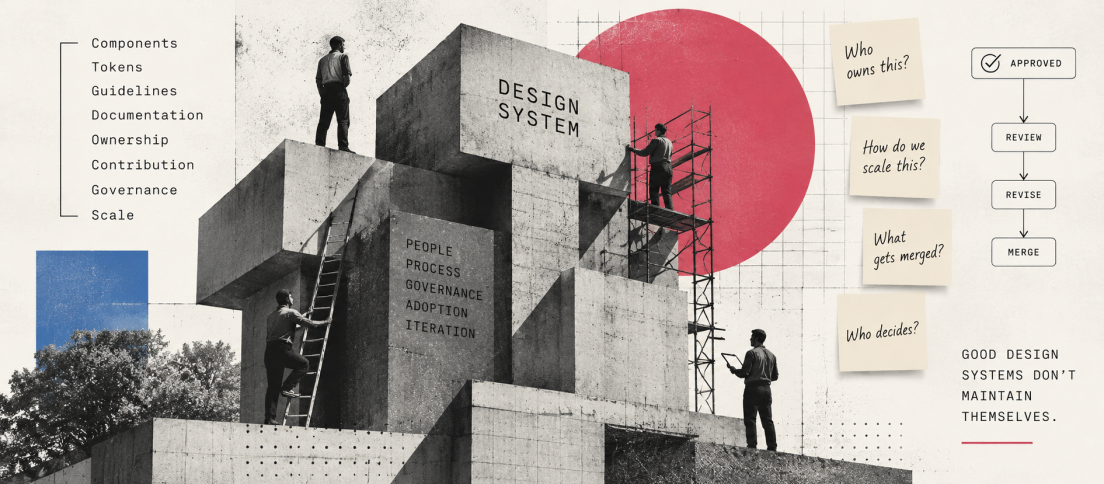

Korean UX salary data can look wildly inconsistent because UX Designer, UI/UX Designer and Product Designer often represent different scopes and compensation structures. If you work in Korea, which title best matches the work you actually do?