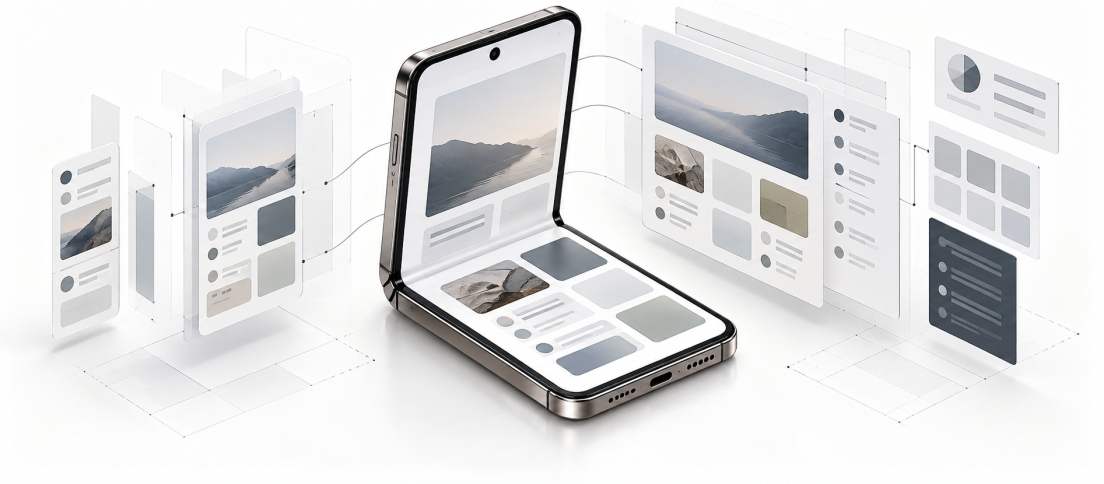


Apple Vision Pro and Meta Quest 3 represent two of the boldest experiments yet in spatial interfaces. This is not simply a battle of specs; it is a collision of philosophies and design languages. While both devices aim to bring mixed reality and immersive computing into the mainstream, their approaches differ so radically that comparing them is essential for anyone parsing where design in tech is headed.
- Design Philosophies Unboxed
- Craft and Comfort: The Industrial Design Story
- Entering the Experience: User Interface Input and Accessibility
- Content and Ecosystem: Where All the Action Happens
- A Feast for the Senses: Visuals and Soundscapes
- The Engine Inside: Specs Performance and Unique Innovations
- The Maker’s Playground: Design SDKs and Creative Tooling
- Price Value and Who Gets to Play
- A Few Critiques and Where They Point Design Next
- Closing Thoughts: What Good Design Really Means in XR
Design Philosophies Unboxed
Apple, as always, insists on a luxury experience. Vision Pro’s glass-and-aluminium build, magnetic modularity, and seamless curves echo the company’s decade-old attention to finish. According to Apple’s Human Interface Guidelines, key tenets like simplicity, spatial intuition, and immersive depth define the product language. “Vision Pro introduces us to spatial computing,” Tim Cook declared at launch, setting the tone for Apple’s jump from device-centric interfaces to ambient, world-overlaid experiences.

Meta, by contrast, chases accessibility. The Quest 3 is characterized by a lightweight, streamlined body focused on balance and extended wear. It has evolved from the gaming-centric roots of the Quest line to serve as an entertainment and productivity hub. Mark Zuckerberg remains focused on democratizing virtual worlds: “We believe everyone should have access to these experiences,” he said in a Threads post. At about a seventh of the Vision Pro’s price, Quest 3 feels unapologetically mass-market.

Its modular headband and custom Light Seal ensure a snug yet luxurious fit, a nod to extended creative or collaborative sessions.
Craft and Comfort: The Industrial Design Story
Designers care about more than silicon and specs. User feedback highlights that while the Apple Vision Pro impresses with its premium materials and modular fit, some users report discomfort from the default light seals and headband during extended use, leading to a growing market for third-party accessories to enhance comfort. Meta Quest 3’s lighter weight and fabric strap generally win favor for everyday wear, though some desire a more premium feel in build materials. This contrast in ergonomic priorities reflects the apple vision pro vs meta quest 3 difference in targeting luxury versus mass-market appeal.
The Vision Pro tips the scales at 600 to 650 grams, owing to premium materials and a detachable battery pack clipped to your side. Its modular headband and custom Light Seal ensure a snug yet luxurious fit, a nod to extended creative or collaborative sessions.
Meta Quest 3 wins decisively on weight, clocking in at 515 grams with a thinner visor than its predecessor. The default fabric strap keeps things light and adjustable, though some reviewers wished for a more premium fit. Ergonomics take center stage, as Meta targets everyday wear for play, work, and socializing.
The trade-off is part of a wider Apple pattern we examine in Liquid Design and the Myth of Apple’s Great UX: premium finish can be so persuasive that it becomes easy to confuse craft with usability. Vision Pro makes the distinction unusually physical. A beautiful object still has to be comfortable enough for the body using it.
Entering the Experience: User Interface Input and Accessibility
Apple discards traditional controllers altogether. VisionOS, the new operating system, centers on gaze tracking paired with hand gestures and voice commands. To select an element, you simply look and pinch your fingers. This fluid interface draws on years of iOS and MacOS intuition. Icons, layers, and navigation feel familiar, transplanted into air.
Meta’s Quest 3 delivers more options. Its Touch Plus controllers are haptically rich and trackable, but the device is getting better at full hand tracking, mirroring what Apple pitched from day one. Meta’s interface draws heavily from the company’s Horizon Workrooms philosophy, prioritizing spatial menus and fast battery-saving shortcuts. Settings and recents are always a glance away.
Most current iPad apps are supported in floating windows, though most are not yet spatially optimized.
Accessibility, often an afterthought in XR, sees progress here. Both headsets push boundaries in accessibility, with Vision Pro’s voiceover and high-contrast modes complementing Meta Quest 3’s customizable control layouts and text-to-speech features. The apple vision pro vs meta quest 3 comparison reveals Apple’s focus on seamless, controller-free gesture input, while Meta balances controller precision with improving hand tracking, accommodating diverse user preferences and accessibility needs. Apple’s visionOS includes VoiceOver, zoom, high-contrast UI modes, and custom input speeds straight out of the box. Meta’s approach leverages text-to-speech and customizable control layouts, crucial for productivity and gaming alike.
Content and Ecosystem: Where All the Action Happens
Apple’s walled garden calls the shots again, but with new dimensions. Vision Pro deeply integrates with iCloud, FaceTime, iMessage, and can even mirror your Mac screen, turning the headset into a multi-monitor setup. The app library is nascent, skewed toward creative, productivity, and developer tools, buttressed by tight ARKit and RealityKit integration. Most current iPad apps are supported in floating windows, though most are not yet spatially optimized.
Meta Quest 3, meanwhile, is a celebration of the roaming app store. From a developer standpoint, the apple vision pro vs meta quest 3 ecosystem contrast is stark. Apple emphasizes pixel-perfect design fidelity and human interface guidelines through visionOS and RealityKit, fostering polished enterprise and creative apps. Meta’s open platform supports Unity and OpenXR, enabling rapid prototyping and cross-platform distribution, fueling grassroots innovation and a broader app library focused on social, gaming, and fitness experiences. Games dominate, but social apps, VR meetings, fitness platforms, and an increasing number of design tools make appearances. Meta is investing in shared, persistent spaces, a taste of its much-hyped metaverse. With open APIs and sideloading, creators and hackers enjoy more freedom to experiment.
A Feast for the Senses: Visuals and Soundscapes
Vision Pro is the new reference point in AR/VR image quality. Dual micro-OLED displays pack 23 million pixels, delivering near 4K per eye. Color accuracy and contrast lean on Apple’s cinematic experience, while the EyeSight external display shows your real eyes to people in the room, keeping the headset less alienating. Multiple cameras and LIDAR sensors enable accurate scene mapping and photographic AR tricks, though some designer-users have noted issues with effective resolution for high-contrast content.
On sound, Apple’s personalized spatial audio wraps users in a custom listening field, using head tracking and ear scanning for tailored immersion.
View this post on Instagram<p style=" color:#c9c8cd; font-family:Arial,sans-serif; font-size:14px; line-height:17px; margin-bottom:0; margin-top:8px; overflow:hidden; padding:8px 0 7px